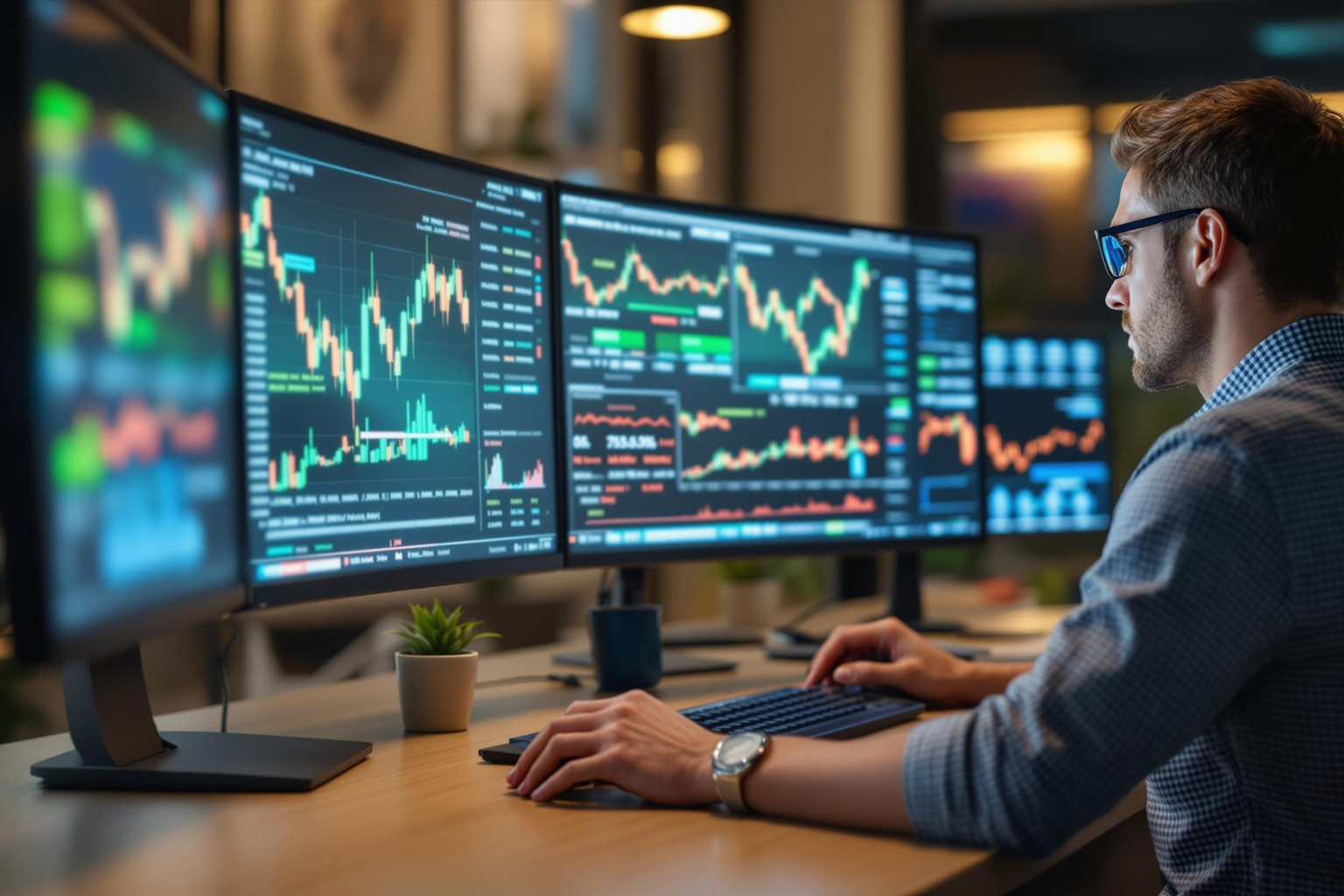









For retail businesses, finding this advantage can be difficult. The pace is fast, the data is vast, and decisions need to be accurate. This is where machine learning (ML), a form of artificial intelligence (AI), makes a big impact. With powerful data-driven insights, machine learning can help investors identify patterns, manage risk, and adjust strategies on the fly. . By identifying patterns not always seen in traditional analytics, machine learning allows investors to spot opportunities and stay ahead in a volatile market.
Predictive insights and pattern recognition
In CFD trading, historical data can often reveal patterns that might help predict future price movements. Machine learning models can analyze past price movements, processing years of data in minutes.
For example, an ML algorithm trained on years of forex price data might identify conditions under which certain currency pairs typically rise or fall. By providing these insights, ML gives traders a data-backed basis for their trading decisions, helping them act on emerging opportunities sooner.
Algorithmic and quantitative trading
Machine learning enables algorithmic trading, which automates trades based on predefined criteria. These algorithms are often powered by ML models that have been trained to recognize profitable trading patterns.
For retail CFD traders, this means setting up strategies that execute automatically when specific conditions are met, such as breakouts in commodity prices. Machine learning-based algorithms don’t just execute; they can also adapt over time, refining strategies to respond to changing market conditions.
Understand business philosophy
Sentiment analysis using machine learning can be a powerful tool for CFD traders. Machine learning models can measure market sentiment by analyzing news, social media, and financial reports, allowing traders to understand the general trend in doing business. This provides traders with early indications of potential trades. This insight helps traders adjust their strategies based on current sentiment or trends, aligning trades with the broader market.
Strengthen risk management
Risk management is important in leveraged trading, and machine learning can help retail businesses better monitor and manage risk. Machine learning algorithms identify many factors that affect price, such as macroeconomic indicators, credit spreads, and interest rates, to assess risk. The tool allows traders to adjust their strategies, reduce position size, or tighten orders as needed.
Instant adaptation and anomaly detection
The CFD market is known for its rapid changes and trends. Machine learning can quickly adapt to these changes. Unlike a static business model, machine learning models are constantly updated with new information, learning and adapting as the business evolves. Adjust, update forecasts and predict strategies from time to time. This change is important for retail businesses that need to keep up with change.
Machine learning is also good at spotting anomalies, which is important for CFD trading. Volatility (unexpected patterns in data) can signal unusual market activity, such as a sudden change in a currency pair or a drop in a stock. Machine learning algorithms can identify these patterns and flag them for traders, helping them avoid losses or short-term exposure.
Machine Learning Technology in CFD Trading
Machine learning offers several techniques that can benefit retail CFD traders:
- Supervised Learning: Trained on historical data, supervised learning models predict future price movements. For example, they may forecast when a forex pair is likely to enter a bullish phase based on past conditions.
- Unsupervised Learning: This approach finds hidden patterns in data, uncovering new trading opportunities.
- Reinforcement Learning: Through trial and error, the model learns from its past trades, adapting strategies to improve over time—a useful approach for creating adaptive trading models.
Level the playing field for retail businesses
Machine learning enables retail CFD traders to use insights and tools previously available only to home investors. By integrating machine learning into their business processes, traders can make data-driven decisions faster and execute strategies more accurately. Machine learning extends from predictive analytics and sentiment tracking to risk management and strategic optimization, giving marketers a renewed competitive advantage.
In a dynamic space like CFD trading, machine learning is changing the way traders enter the market. It provides in-depth analysis and rapid execution that improves traditional strategies, making it easier for traders to identify opportunities, manage risk, and respond to changes in market conditions. As machine learning continues to advance, its role in the CFD market will become even more important: providing retail traders with the information they need to confidently navigate complex trades.