


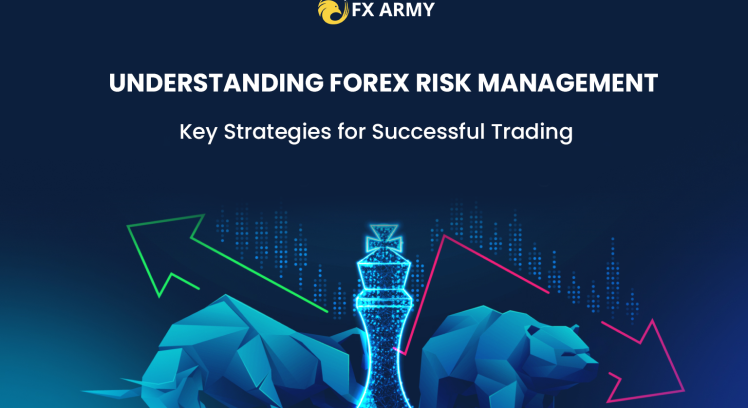




Risk management helps traders decide how much capital to risk, where to place stop-loss orders, how to calculate position sizes, and how to maintain discipline during volatile market conditions.
What Is Forex Risk Management?
Forex risk management refers to the methods traders use to control potential losses while participating in the foreign exchange market.
Since currency prices can move quickly due to economic news, interest rate decisions, geopolitical events, and market sentiment, every trade carries a certain level of risk.
- Protecting trading capital
- Limiting unnecessary losses
- Maintaining consistent position sizes
- Improving emotional discipline
- Increasing long-term survival in the market
Why Risk Management Is Important in Forex Trading
Many beginner traders believe that successful trading depends mainly on predicting market direction. However, even experienced traders cannot predict every price movement.
Markets are influenced by many factors including:
- Central bank decisions
- Inflation reports
- Employment data
- Political events
- Global economic conditions
Effective risk management ensures that losses remain manageable while profitable trades have enough opportunity to grow.
The Main Principles of Forex Risk Management
1. Determine Your Risk Per Trade
One of the most important rules in forex trading is deciding how much money you are willing to risk before entering a trade.
Many professional traders use a fixed percentage of their account balance for each position.
Account Balance: $10,000
Risk Per Trade: 2%
Maximum Acceptable Loss: $200
2. Use Stop-Loss Orders
A stop-loss order automatically closes a trade when the market reaches a predefined price level.
- Limits potential losses
- Removes emotional decision-making
- Helps maintain trading discipline
3. Understand Position Sizing
Position sizing determines how much currency you should trade based on your account size and risk level.
Trading oversized positions can create unnecessary pressure and increase the chance of large losses.
4. Maintain a Proper Risk-to-Reward Ratio
Risk-to-reward ratio compares the potential loss of a trade with its expected profit.
| Trade | Amount |
|---|---|
| Risk | $100 |
| Potential Profit | $300 |
| Risk Reward Ratio | 1:3 |
5. Avoid Over-Leveraging
Leverage allows traders to control larger positions with smaller amounts of capital. However, excessive leverage can increase losses quickly.
Common Forex Risk Management Mistakes
Risking Too Much on One Trade
Putting a large percentage of your account into a single trade exposes your capital to unnecessary risk.
Moving Stop-Loss Levels
Moving stop-loss levels further away after a trade starts losing is a common emotional mistake that can turn small losses into major losses.
Trading Without a Plan
Successful traders follow structured plans that include:
- Entry criteria
- Exit rules
- Risk percentage
- Trading timeframe
- Maximum daily loss limit
How Professional Traders Manage Risk
Capital Protection
Professional traders focus on protecting their account before trying to maximize profits.
Trade Diversification
Experienced traders avoid excessive exposure to a single currency pair or market condition.
Trading Journal
A trading journal helps traders analyze performance and improve future decisions.
- Entry price
- Exit price
- Trading reason
- Risk level
- Emotional state
Risk Management Strategy Example
A simple risk management framework:
A simple risk management framework:
Account Size: $5,000
Risk Per Trade: 2%
Maximum Risk: $100
Trade Setup:
Entry: GBP/USD Buy
Stop Loss: 50 pips
Take Profit: 150 pips
Risk Reward: 1:3
Frequently Asked Questions
Find answers to the most common questions about the Olla Trade 100% Deposit Bonus.