



Forex Scams 2026: How to Spot and Avoid Fake Brokers
Introduction
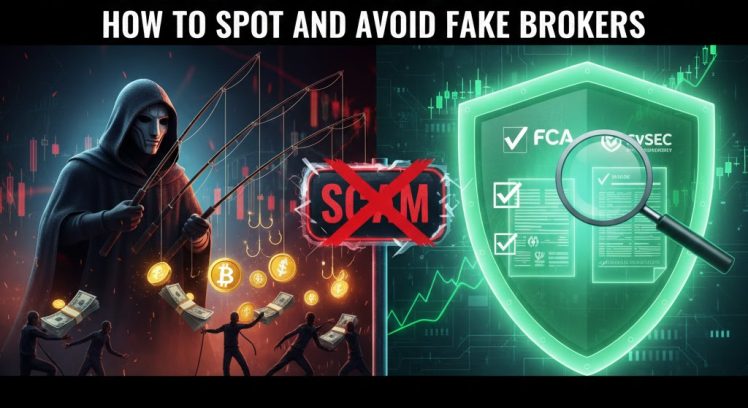
The forex market attracts millions of traders worldwide with its promise of financial freedom and twenty-four hour trading. Unfortunately, it also attracts scammers. Fake brokers, signal sellers, and fraudulent platforms steal billions from unsuspecting traders every year. As we move through 2026, scam tactics have grown more sophisticated. Artificial intelligence generates convincing fake websites. Deepfake videos feature celebrity endorsements that never happened. Social media floods feeds with “get rich quick” promises that lead straight to empty wallets. This guide exposes the most common forex scams operating in 2026 and provides practical steps to protect your money.
Why Forex Attracts Scammers
Several factors make forex trading particularly vulnerable to fraud. The market operates globally with varying regulatory standards across jurisdictions. Many traders work from home with limited access to reliable information. The complexity of currency trading creates confusion that scammers exploit. Promises of high leverage and quick profits appeal to greed and impatience.
Scammers follow the money. With over seven trillion dollars traded daily, even capturing a tiny fraction represents enormous profits. The rise of cryptocurrency payments makes it easier for fraudsters to collect money anonymously and disappear without trace.
The Most Common Forex Scams in 2026
Fake Broker Websites
Fake brokers operate convincing websites that look identical to legitimate platforms.
Traders deposit money and begin trading. Initially, withdrawals work normally, building trust. Once the victim deposits larger amounts, withdrawal requests get ignored. The website goes offline. The scammer vanishes with the money.
In 2026, these scams use artificial intelligence to generate convincing content. Fake reviews populate trustpilot clones. Chatbots handle customer inquiries professionally. Everything appears legitimate until the money disappears.
Signal Seller Scams
Signal sellers promise accurate trade recommendations that generate consistent profits. They show screenshots of winning trades and testimonials from satisfied customers. They offer subscription plans at various price points.
The truth is darker. Those winning screenshots come from demo accounts. The testimonials are fake. If these signals actually worked, sellers would trade them themselves rather than selling them for a few dollars monthly.
In 2026, signal scammers use social media influencers to promote their services. Paid actors pose as successful traders. They flash luxury cars and stacks of cash, claiming signal services funded their lifestyle.
Managed Account Fraud
Managed account scams promise to trade on your behalf. The scammer claims expert knowledge and a verified track record. They offer to split profits while you do nothing.
Victims transfer funds to the scammer’s control. Initial statements show impressive gains, encouraging additional deposits. When the victim requests withdrawal, excuses begin. The account eventually shows losses. The scammer disappears.
Regulators warn repeatedly against unlicensed managed account services. Legitimate fund managers require licenses and follow strict rules. Anyone managing money without proper authorization operates outside the law.
Phishing and Identity Theft
Phishing scams target forex traders through fake emails and text messages. Messages appear to come from legitimate brokers, requesting login verification or account updates. Links lead to fake websites that steal credentials.
Once scammers access trading accounts, they withdraw funds or place losing trades that benefit their own positions. Identity theft follows, with criminals opening accounts in victim names.
In 2026, phishing has grown more sophisticated. Artificial intelligence generates convincing messages in perfect language. Deepfake phone calls impersonate broker support staff. Two-factor authentication provides essential protection against these tactics.
Recovery Room Scams
Recovery room scams target victims who already lost money to other frauds. Scammers contact these victims, claiming they can recover lost funds for an upfront fee. They pose as lawyers, regulators, or law enforcement officers.
After paying the fee, victims hear nothing further. The scammer moves on to the next desperate target. Recovery scams add insult to injury, stealing from those already victimized.
Warning Signs of Forex Scams
Unrealistic Profit Promises
Any guarantee of profits signals a scam. Legitimate trading involves risk. No honest broker promises specific returns. Claims of doubling money quickly should trigger immediate suspicion.
Pressure to Deposit Quickly
Scammers create urgency. Limited time offers. Bonus expiring soon. Account closing if you don’t deposit now. These tactics pressure victims into decisions they later regret.
Unlicensed Operation
Legitimate brokers hold licenses from respected regulators. Check regulatory status through official websites, not through links the broker provides. If a broker operates without license, walk away.
Withdrawal Problems
Difficulty withdrawing money represents the clearest warning sign. Legitimate brokers process withdrawals promptly. Excuses, delays, and fees appearing only at withdrawal time signal fraud.
Unsolicited Contact
Messages from strangers offering trading opportunities almost always lead to scams. Delete and block. Legitimate brokers do not cold-call potential clients with trading offers.
Vague or Evasive Answers
Ask specific questions about regulation, fund segregation, and company ownership. Scammers provide vague answers or become defensive. Legitimate brokers answer clearly and transparently.
Too-Good-To-Be-True Bonuses
Massive deposit bonuses often serve as traps. The fine print requires impossible trading volumes before withdrawal. Scammers use bonuses to lock up funds permanently.
How to Protect Yourself
Verify Regulation
Check broker licenses through official regulator websites.
Do not trust regulatory claims on broker websites. Scammers fake these numbers. Always verify through independent sources.
Research Thoroughly
Search broker names plus words like scam, review, and complaint. Read multiple sources. Look for patterns in complaints. Check forex forums where traders share experiences.
Be aware that fake positive reviews exist. Scammers pay for five-star ratings. Look for detailed reviews that mention specific experiences rather than generic praise.
Start Small
Open accounts with minimum deposits. Test withdrawal processes before depositing more. A legitimate broker processes small withdrawals without issue. Scammers may allow small withdrawals initially to build trust, so test multiple times over several weeks.
Use Secure Payment Methods
Credit cards offer fraud protection that wire transfers and cryptocurrency do not. If a broker only accepts irreversible payment methods, consider this a warning sign.
Never send money to personal bank accounts. Legitimate brokers hold client funds in segregated accounts under the company name.
Protect Login Credentials
Use strong passwords. Enable two-factor authentication. Never share login details with anyone. Be suspicious of emails requesting login information, even if they appear to come from your broker.
Stay Educated
Scammers evolve constantly. Follow regulatory warnings. Read industry news. Join trader communities where members share information about suspicious activity. Knowledge remains your best defense.
What to Do If Scammed
Stop All Contact
If you suspect fraud, stop communicating with the scammer immediately. They will pressure you to send more money or provide additional information. Do not engage.
Contact Your Bank
If you paid by credit card or bank transfer, contact your financial institution immediately. They may reverse charges or block further payments. Time matters greatly in these situations.
Report to Authorities
File complaints with relevant regulators. In the United States, contact the Commodity Futures Trading Commission and Federal Bureau of Investigation. In the United Kingdom, report to the Financial Conduct Authority and Action Fraud.
Your report helps authorities track scammers and potentially prevent future victims.
Warn Others
Post your experience on forex forums and review sites. Include details about the scam without sharing sensitive personal information. Your warning may protect other traders from similar losses.
Beware Recovery Scams
Remember that anyone contacting you with promises to recover lost funds likely represents another scam. Legitimate recovery through official channels does not require upfront fees.
Regulators to Trust
These regulatory bodies maintain strict standards for forex brokers operating in their jurisdictions:
| Regulator | Region | Website |
|---|---|---|
| Financial Conduct Authority (FCA) | United Kingdom | fca.org.uk |
| Cyprus Securities and Exchange Commission (CySEC) | Cyprus | cysec.gov.cy |
| Australian Securities and Investments Commission (ASIC) | Australia | asic.gov.au |
| Commodity Futures Trading Commission (CFTC) | United States | cftc.gov |
| National Futures Association (NFA) | United States | nfa.futures.org |
| Financial Sector Conduct Authority (FSCA) | South Africa | fsca.co.za |
| Monetary Authority of Singapore (MAS) | Singapore | mas.gov.sg |
| Swiss Financial Market Supervisory Authority (FINMA) | Switzerland | finma.ch |
Always verify license numbers directly through these official websites.
Conclusion
Forex scams evolve constantly, adapting to new technology and regulatory changes. In 2026, artificial intelligence generates convincing fake content. Deepfakes impersonate trusted figures. Social media platforms host sophisticated fraud operations. Despite these advances, the fundamental protection principles remain unchanged.
Verify regulation through official sources. Research brokers thoroughly before depositing. Start with small amounts and test withdrawals. Protect login credentials with two-factor authentication. Trust your instincts when something feels wrong.
Legitimate forex trading offers genuine opportunities. Separating those opportunities from scams requires vigilance, education, and healthy skepticism. The time invested in protecting yourself pays dividends through avoided losses and peaceful trading.
Remember that no legitimate broker needs to pressure you. No honest signal seller guarantees profits. No regulated fund manager contacts you through social media. These simple truths guard against most scams operating today.
Trade safely. Protect your capital. Verify everything. And when something seems too good to be true, it almost certainly is.