



• Tue. Jan 20th, 2026

Gold in 2025: Key Drivers of Growth Potential

Gold

Featured Brokers

Liquidity

Min. Deposit: 100 USD

Regulated: NFA, CFTC

Broker Type: ECN, STP

Shenzhou

Min.Deposit: 50 USD

Regulated: FSA, CySEC

Broker Type: STP

Skylinks

Min.Deposit: 50 USD

Regulated: FSA, CySEC

Broker Type: STP

AvaTrade

Min.Deposit: $100

Regulated: CySEC

Broker Type: ECN, STP

Gold has long been prized for its ability to maintain stability during periods of financial turmoil. This was evident in 2024, as its price surged by over $700 per ounce, marking a 34% increase since the start of the year. The impressive rally has reignited interest among traders and investors, sparking discussions about whether gold could surpass the $3,000 mark by 2025. Kar Yong Ang, a financial market analyst at Octa broker, explores this prospect in detail.

Inflation, Interest Rates, and Geopolitical Factors

Gold prices are heavily influenced by inflation and interest rates. During periods of high inflation, investors often turn to gold as a hedge to protect their purchasing power. Unlike stocks, which can experience sudden price fluctuations, or bonds, which may lose value when interest rates rise, gold is viewed as a safer investment. Historically, gold prices have risen sharply when real interest rates (adjusted for inflation) decline, making it an attractive asset for investors.

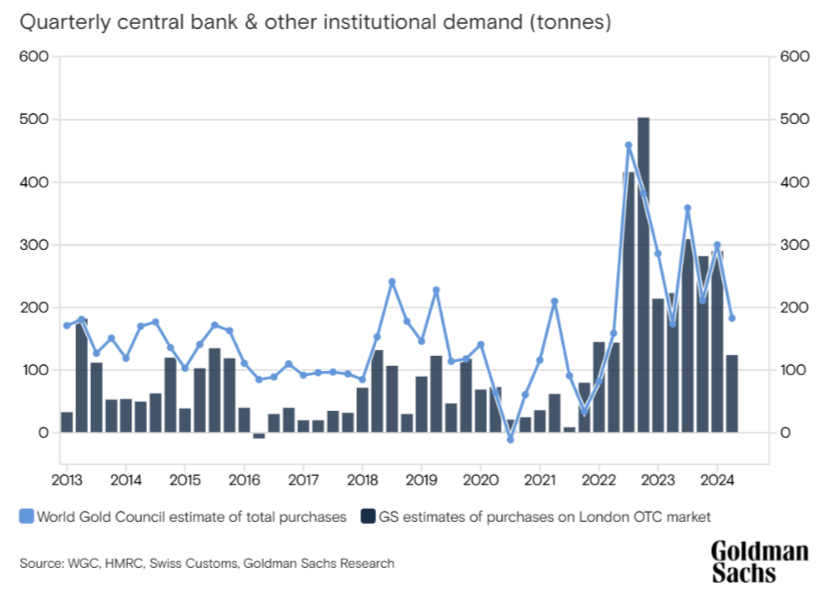
By 2024, central banks had increased the share of gold in their total reserves to 10%, a significant rise from the 3% recorded a decade ago. While most reserve assets remain fiat currencies with little intrinsic value, a growing number of central banks are incorporating gold as part of their diversification strategy. This shift is particularly evident in emerging economies across Asia, with China—now holding 5% of its reserves in gold—and India leading the charge as major gold buyers.

Additionally, the pace of gold purchases by central banks in emerging markets has accelerated since 2022. This trend was largely triggered by the unprecedented freezing of Russian assets, prompting several nations to reassess their reserve compositions and increase their gold holdings as a precautionary measure.

The Role of Gold in a Sustainable Economy

The global shift toward sustainability, characterized by investments in renewable energy and green technologies, has driven a rise in demand for specific commodities, including gold. Gold plays a critical role in clean energy solutions, such as solar panels and energy-efficient electronic systems. This growing technological demand is compounded by concerns about resource scarcity, which could hinder the green transition.

Gold as a Safe-Haven Asset

Geopolitical tensions and economic uncertainties continue to highlight gold’s appeal as a reliable safe-haven asset. Events like the ongoing Ukraine conflict, strained US-China relations, and unrest in the Middle East have led investors to seek stability in gold amid volatile global markets. Gold’s historical stability provides a sharp contrast to the fluctuating stock market and other asset classes. A notable example is China, which has recently increased its gold reserves to 5% of its foreign exchange holdings, signaling a strategic shift toward economic resilience.

Technical Analysis: Key Levels to Watch

From a technical perspective, gold remains in an uptrend, even on higher timeframes. The long-term bullish outlook has not transitioned to a bearish trend. The $3,000 price target aligns with the 4.236 Fibonacci extension level, suggesting the potential for further upward movement. However, achieving this target may still require favorable conditions and time.

Prospects for 2025 – Factors Influencing Gold’s Trajectory

A survey by the World Economic Forum’s Chief Economists highlights mixed perspectives on global economic stability. While 54% of respondents anticipate steady conditions, 37% predict further economic decline. Future fiscal policies focusing on climate adaptation, changing demographics, and increased defense spending are expected to drive inflation higher. These factors make gold an appealing inflation hedge—not only for private investors but also for central banks, which are likely to continue increasing their gold reserves, sustaining long-term demand.

Could gold prices reach $3,000 per ounce in 2025? This scenario appears plausible, provided favorable macroeconomic and geopolitical conditions align. The re-election of Donald Trump, for instance, could introduce new dynamics into the equation. His approach to global trade and conflict resolution may influence investor sentiment, potentially reducing demand for safe-haven assets like gold if geopolitical tensions ease and investors shift toward riskier investments.


Marsbahis Hacklink Hacklink Satış бэклинки